Reporting and automation
Replace repeated manual work with dependable reporting and automated processes that apply the same logic every time. Information moves where it needs to go, without rebuilding the process for each report or decision.

Data science and operational analysis
Growth Mindset designs bespoke business analytics and planning tools engineered around your specific operational rules and existing systems.
Shaped by your team’s expertise, we give your business capabilities that standard software can't match.
Working knowledge
Putting the data in front of people does not guarantee the right decision. A workable plan depends on knowing which constraints matter, where exceptions apply and which trade-offs the business can accept.
That judgement often sits with a small number of experienced people. Growth Mindset brings it into the analysis and the design of the solution, so others can use it with greater consistency.
Put into practice
Analysis is only part of the job. Growth Mindset takes the next step and builds the method into the tools and systems that support everyday operations.
Replace repeated manual work with dependable reporting and automated processes that apply the same logic every time. Information moves where it needs to go, without rebuilding the process for each report or decision.
See the range of likely outcomes before the plan is locked in. As new information arrives, update the forecast and understand how the risks and opportunities are changing.
Find the best workable plan within the limits of the business. When conditions or priorities change, solve the problem again and see how the recommended plan changes with them.
Turn a valuable method into a purpose-built application that your team can use without piecing the process together each time. Keep the assumptions visible, save and compare scenarios, and give decision-makers direct control over the result.
Postharvest Operations
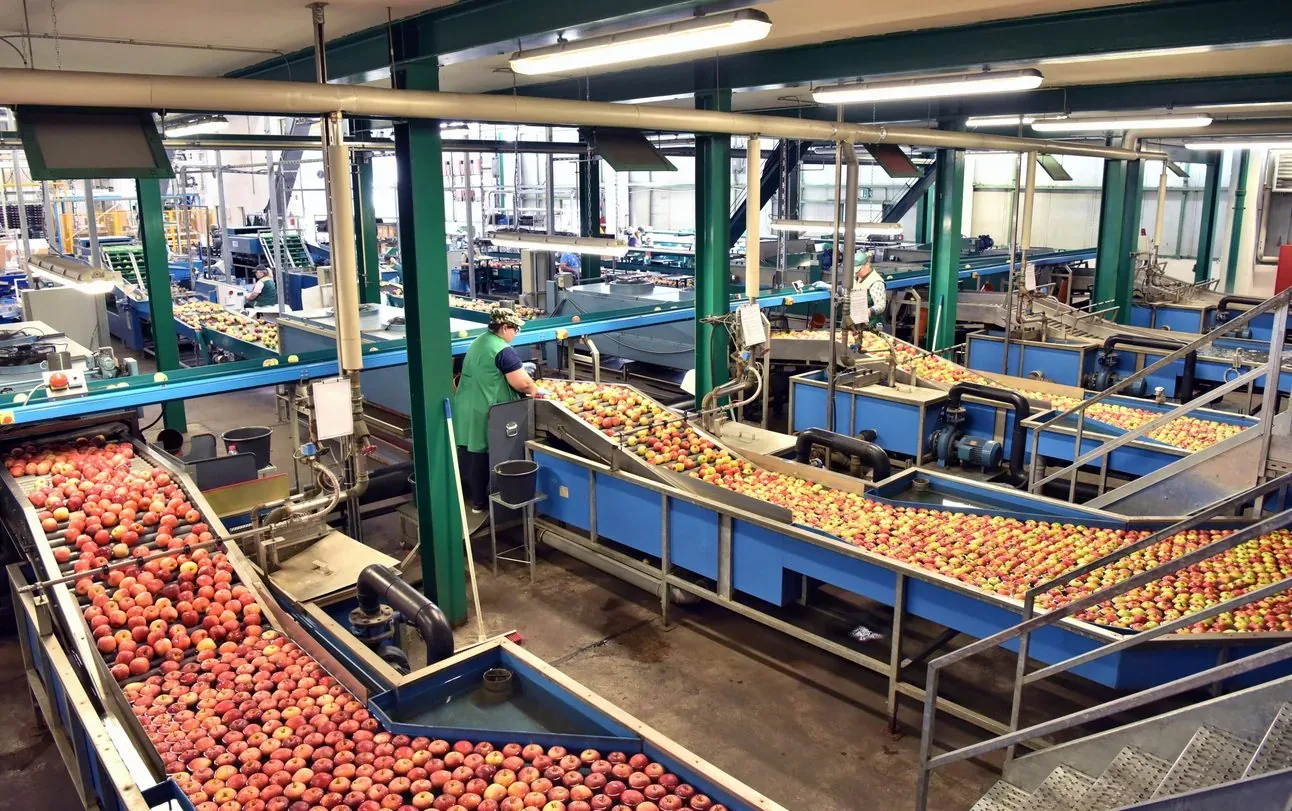
Growth Mindset has developed production-planning applications for apple and kiwifruit packhouses, helping teams make better use of forecasts, live operating data, and site-specific production constraints.
Direct involvement
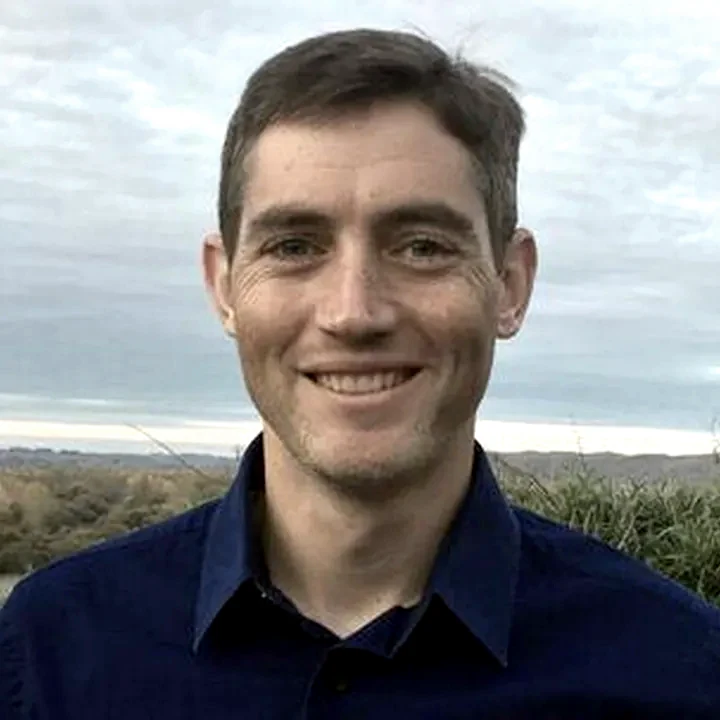
Growth Mindset is led by Rob Sickorez. From the first conversation through to the finished tool, clients deal directly with the person responsible for the analysis and build.
About Rob Sickorez